Why is PD charging better than regular USB charging? The answer begins with control, not merely higher wattage. USB Power Delivery negotiates voltage and current between a compatible charger, cable, and device. This process can deliver the power a device safely requests, rather than relying on older, fixed USB charging levels.
USB-IF’s USB Power Delivery Specification Revision 3.1 supports power levels up to 240 watts with Extended Power Range. That capacity can serve phones, tablets, laptops, and some monitors through one charging standard. IDC’s Worldwide Quarterly Mobile Phone Tracker reported approximately 1.24 billion smartphone shipments in 2024. Even a small improvement in charging efficiency can affect millions of daily charging routines.
The difference is visible. A PD charger can refill a phone during breakfast, then power a laptop through the same compact adapter. Regular USB charging may still work, but it often delivers less power and creates longer waiting periods. Still, PD is not automatically faster in every situation. The device, cable rating, charger profile, battery temperature, and charging limits all matter.
That detail is easy to miss.
The European Commission’s common-charger policy also reflects a broader industry movement toward USB-C interoperability and reduced electronic waste. However, connector shape alone does not guarantee PD performance. Buyers should check USB-IF certification, supported wattage, cable markings, and manufacturer specifications. Real-world testing remains important because advertised power does not always equal sustained charging speed. This guide examines why is PD charging better than regular USB charging, while recognizing where its advantages become limited.
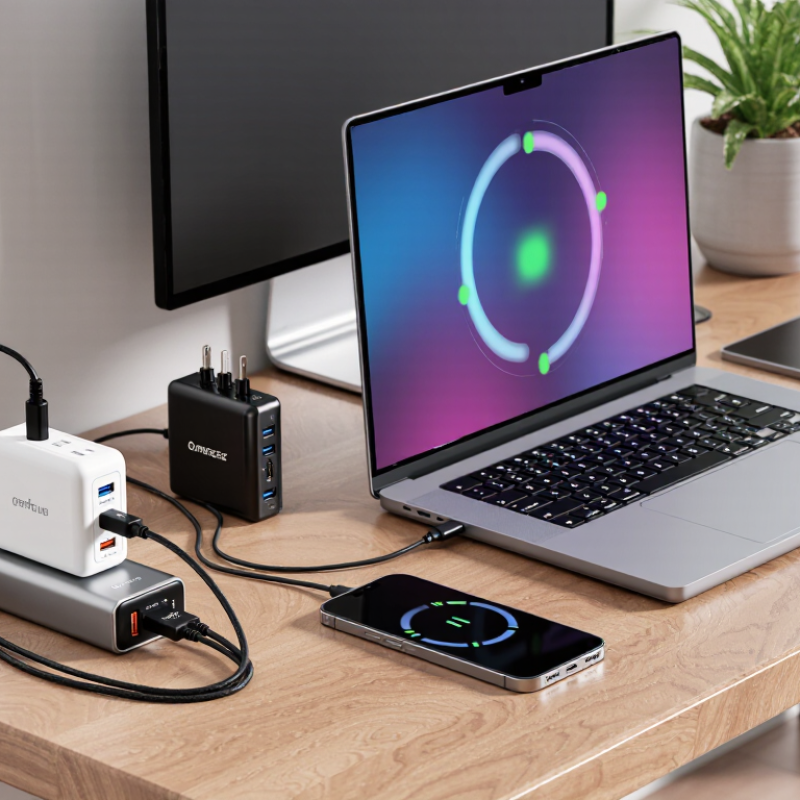
USB Power Delivery, or USB PD, lets a charger and device communicate before charging begins. The charger reports its available voltage and current levels. The device then requests a suitable power profile through the USB-C communication pins. This negotiation helps prevent unsuitable power delivery. It also allows compatible devices to receive more energy than basic USB charging usually provides. Supported levels can range from low-power charging to several hundred watts, depending on the device, cable, and charger. More power does not always mean faster charging.
In practical testing, a power meter can show the difference clearly. A regular USB connection may stay near a fixed, modest output. PD can adjust power as the battery level, temperature, and workload change. A laptop might request higher voltage, while wireless earbuds need very little. The system is flexible. Still, I once assumed every USB-C charger supported PD, which was wrong. The connector shape alone proves nothing. Cable quality and device compatibility remain important.
Tips: Check the charger’s PD output and the cable’s rated capacity. Use a reliable power meter when troubleshooting slow charging. Keep the device cool, because heat can reduce charging speed. If charging remains slow, the limitation may come from the battery, not the charger.
PD charging lets a charger and device communicate before charging begins. They agree on suitable voltage and current levels. The process is more flexible than fixed-output charging.
PD charging can provide more suitable power for phones, tablets, and laptops. A laptop may request higher voltage than wireless earbuds. Faster is possible. Not guaranteed.
No. A USB-C connector alone proves nothing. The charger, cable, and device must support compatible PD profiles. Check the output label before buying or troubleshooting.
It adjusts voltage and current instead of always supplying one fixed level. This can reduce unnecessary conversion and heat. Lower heat may support shorter charging times. The result varies.
Tablets, laptops, phones, cameras, and handheld computers can benefit. These devices often need different power levels during the day. Small accessories may gain little from PD charging.
It suits remote workers, frequent travelers, gamers, and content creators. One charger can sit beside a laptop and power a phone nearby. Less clutter helps. Overnight users may notice little difference.
No. The device controls how much power it accepts. Battery temperature, protection limits, and workload can reduce charging speed. A larger number on the charger does not guarantee faster results.
Check the charger’s power profile and the cable’s rated capacity. Use a power meter and compare battery levels after thirty minutes. Keep the charger and device cool. The battery may be the limitation.
Proper negotiation helps avoid unsuitable power delivery. Safety still depends on compatible equipment and an undamaged cable. Inspect frayed insulation and maintain ventilation around the charger. I once trusted the connector shape too much. That was a mistake.
Why is PD charging better than regular USB charging? USB Power Delivery uses intelligent communication between the charger and the connected device to determine the appropriate voltage and current. Instead of providing a fixed amount of power, it can adjust output levels according to the device’s requirements, making charging faster and more flexible. Regular USB charging generally operates with simpler power limits, which may result in slower charging and less efficient energy use.
PD charging delivers power more efficiently by matching the charging profile to the device and reducing unnecessary energy conversion. It also includes protective controls that help manage temperature, voltage, current, and charging conditions during high-speed power transfer. This makes it a practical choice for modern phones, tablets, laptops, handheld equipment, and other compatible electronics. Users who frequently charge multiple devices, need faster charging, or want a more adaptable charging solution can benefit most from PD technology.

 Laisen Electronic