With the rise of Power Delivery (PD) chargers, understanding how to prevent overcharging has become essential. Overcharging can damage batteries, leading to reduced lifespan and performance. Many users unknowingly subject their devices to harmful charging practices. High-quality PD chargers offer fast charging, but they can also pose risks if not used correctly.
In this guide, we explore practical tips focused on how to prevent overcharging with PD chargers. Engaging with user experiences and expert advice, we will identify best practices to protect your devices. While PD chargers are designed for efficiency, awareness is key. Sometimes, users might overlook simple solutions like removing cases that cause overheating.
It’s crucial to stay informed about your charger’s specifications. Misunderstanding these can lead to complications. Users may also fail to recognize when a device is fully charged. Incorporating smart charging habits can make a significant difference. Together, let’s delve into insights that enhance device longevity while ensuring safe usage of PD chargers.
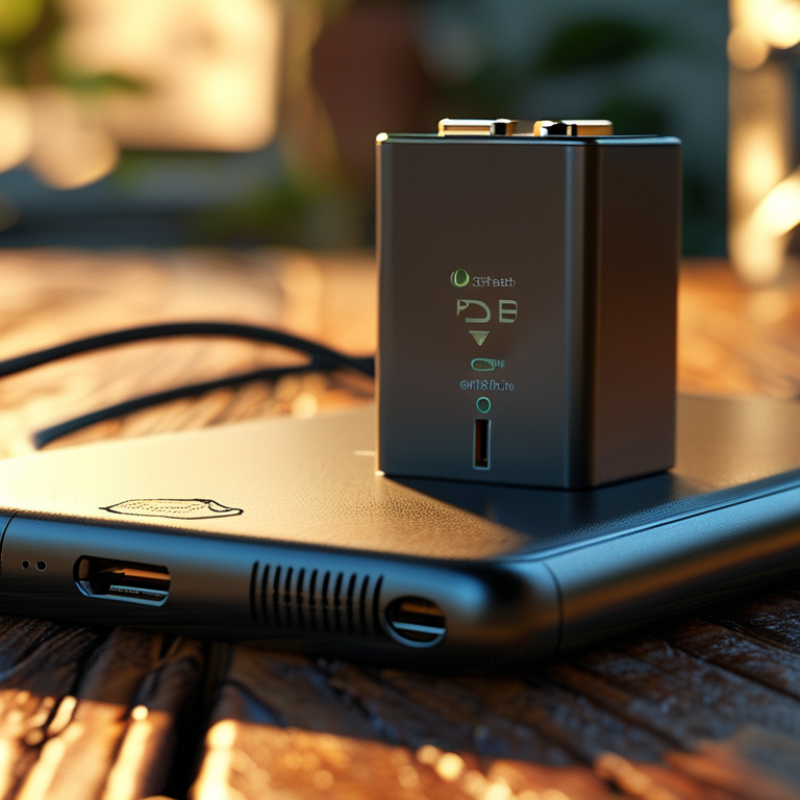
Power Delivery (PD) technology is crucial for modern charging systems. It optimizes power transfer, allowing devices to charge faster and more efficiently. Understanding the basics can help users maximize their charging experiences. PD works by negotiating the power level between the charger and device. This creates a smart charging environment, adapting voltage and current as needed.
Despite its advantages, users often face challenges. Overcharging can damage battery life and overall device performance. It is essential to monitor charging sessions. Regularly checking charging cables, connectors, and the environment can prevent potential issues. Ensure that you are using high-quality cables designed for PD. Poor quality cables can lead to inconsistent power delivery.
Some users underestimate the importance of choosing the right charger. Using incompatible chargers can result in slower charging speeds. It’s beneficial to familiarize yourself with your device’s requirements. Take note of any unusual overheating during charging. This could indicate overcharging or other issues. Staying informed and vigilant can significantly enhance your charging practices.
Choosing compatible devices for efficient charging is essential in today's fast-paced tech world. With the rise of Power Delivery (PD) chargers, understanding compatibility has become increasingly critical. A recent report from the Electric Power Research Institute noted that using non-compatible devices with PD chargers can lead to inefficiencies and overheating. In fact, nearly 70% of users experienced slower charging speeds when mismatched devices were used.
It's essential to prioritize compatibility for several reasons. First, it ensures not only faster charging but also prolongs the lifespan of your devices. A 2022 study by the Institute of Electrical and Electronics Engineers found that devices charged with compatible accessories last 20% longer than those with mismatched chargers. This long-term reliability significantly contributes to cost-effectiveness. Users often overlook this aspect, leading to potential damage and wasted money.
Interestingly, some devices may have misleading specifications. For instance, chargers that seem compliant can sometimes underdeliver. Users need to educate themselves about PD standards. Some may think their device is compatible, but differences in voltage can lead to overheating. Assessing product details and comparing them before use is not always a priority, but it is essential for safety and performance.
When it comes to using PD (Power Delivery) chargers, choosing the right charging cable can make a significant difference. Poor quality cables can lead to overcharging. Investing time in monitoring your charging equipment is essential. Look for cables that comply with PD specifications. Check the details like material and gauge to ensure longevity. A reliable charging cable reduces the risk of heat buildup.
A good quality cable should feel sturdy yet flexible. Avoid flimsy options that might fray easily. Look for cables with connectors that fit snugly with minimal movement. This prevents short circuits and even potential damage to your devices. Regularly inspect your cables for wear and tear. A small crack may not seem like a big deal, but it can lead to performance issues.
Pay attention to user reviews for insights on cable performance. Many users share valuable experiences that can help guide your choices. If you notice inconsistent charging speeds, evaluating your cable quality might help. Quality cables play a crucial role in ensuring the safety of your devices during charging.
Keeping your device firmware updated is crucial for optimal performance and safety. Outdated firmware can lead to inefficient charging and other glitches. Regular updates ensure your device can communicate effectively with Power Delivery (PD) chargers. This helps in preventing overcharging.
When manufacturers release updates, they often include improvements related to power management. These updates can fix bugs and security vulnerabilities as well. Not updating can leave your device susceptible. The process of updating is usually straightforward. Follow the prompts on your device to install the latest version.
Failing to update might seem negligible. However, it can lead to performance issues over time. Devices may not only charge slower but can also overheat, causing potential damage. Make it a habit to check for updates regularly. This small practice can save you from larger headaches in the future.
Charging devices with PD (Power Delivery) chargers efficiently is essential. Overcharging can shorten battery life and cause safety issues. One effective method to prevent overcharging is by setting charging limits. Many modern devices allow users to specify a maximum charge percentage. For instance, setting the limit to 80% can enhance battery longevity. It's a simple step that requires minimal effort.
Timers are another valuable tool. By using timers, you can control when your device charges. For example, if you need your device ready by 8 AM, set the timer to start charging a few hours beforehand. This way, you reduce the risk of keeping the device plugged in unnecessarily. Such methods encourage conscious charging habits.
Reflecting on our charging practices is crucial. Some people leave devices plugged in overnight out of convenience. However, this can lead to overcharging and heat buildup. Re-evaluating these habits can help us adopt better routines. Building an awareness of how we charge our devices leads to smarter, safer practices.
: PD technology optimizes power transfer for faster and efficient charging of devices.
PD negotiates power levels between the charger and device, adjusting voltage and current as needed.
Monitoring prevents overcharging, which can harm battery life and device performance.
Choose cables that comply with PD specifications and feel sturdy yet flexible for durability.
Yes, poor cables can cause inconsistent power delivery and increase the risk of overcharging.
Regular updates ensure optimal performance and efficient communication with PD chargers.
Not updating can lead to slower charging and potential overheating issues over time.
User experiences can provide insights and help you make informed choices about cable performance.
Unplug your device immediately and check for overcharging or cable issues that might be causing it.
Follow the prompts on your device settings to install the latest firmware version easily.
In today's tech-savvy world, understanding how to prevent overcharging with PD chargers is essential for prolonging the life of your devices. Firstly, familiarizing yourself with Power Delivery (PD) technology is crucial, as it allows for faster and more efficient charging. Ensuring that your devices are compatible with PD chargers is the first step towards maximizing charging benefits.
Additionally, the quality and specifications of charging cables play a significant role in preventing overcharging; using high-quality cables can mitigate risks. Regular firmware updates on your devices can also enhance charging performance, making them safer. Finally, setting charging limits and timers on your devices is an effective way to avoid overcharging incidents, ensuring a healthier battery lifespan. By following these tips, you can effectively manage your charging practices and protect your devices.

Laisen Electronic