The medical power adaptor plays a critical role in healthcare technology. Unlike ordinary adapters, it meets strict compliance standards. These standards are outlined in reports by the International Electrotechnical Commission (IEC). They highlight the need for safety and reliability in medical devices. A 2023 study showed that 30% of device failures arose from substandard power supplies.
Why is medical power adaptor different from ordinary adaptors? The difference lies in their design and functionality. Medical adaptors must handle electromagnetic interference. They also need to provide stable power under varying conditions. Common adaptors may fail under these scenarios, endangering patient safety.
In essence, investing in a quality medical power adaptor is essential. Neglecting this can lead to costly errors and hospital downtime. Reports indicate that hospitals face significant losses due to equipment failures linked to power issues. Therefore, understanding this distinction is vital for healthcare providers. This knowledge can guide better choices in power management solutions.
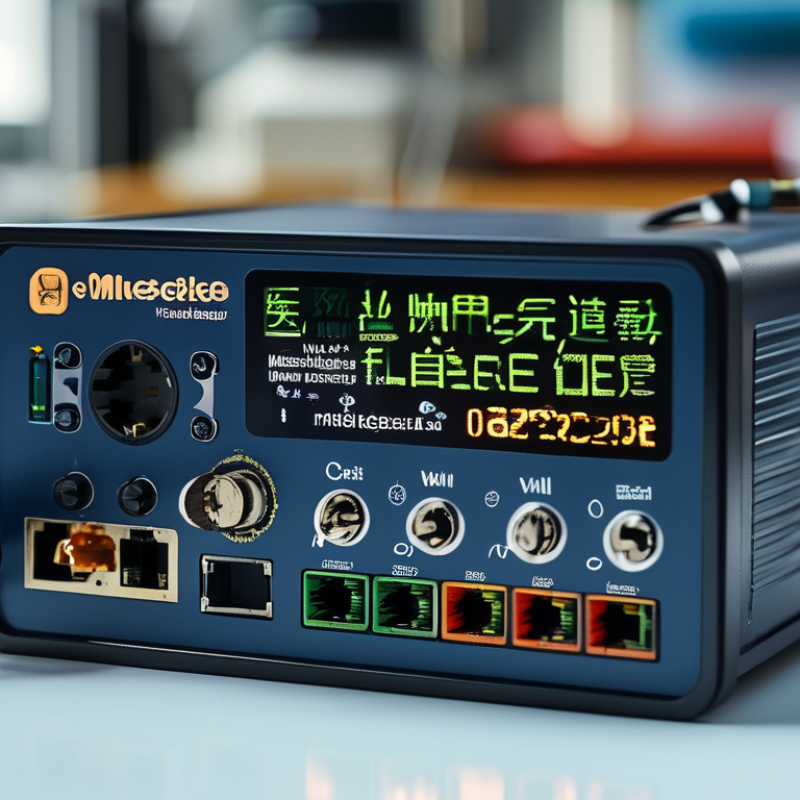
Medical power adapters serve a crucial function in healthcare settings. Their design focuses on safety and reliability. Unlike regular adapters, they are built to support medical devices that operate in sensitive environments. This includes hospitals, clinics, and home care settings.
The primary purpose of medical power adapters is to ensure patient safety. They are subjected to rigorous testing and must meet specific standards. This includes protection against electrical shocks and surge protection. Their construction often features multiple layers of insulation. Such features reduce the risk of failure, which can be critical in medical situations.
These adapters also emphasize durability. They are designed to withstand harsh conditions, such as frequent cleaning and exposure to various substances. Regular adapters may not offer this level of resilience. Many healthcare professionals value technology that can perform consistently, even under pressure. The importance of choosing the right adapter cannot be overlooked.
Every medical device relies on a steady, reliable power source. Thus, the inadequacy of a standard adapter in this context can lead to serious consequences.
Medical power adapters are designed with the unique specifications required for medical equipment. Their construction adheres to strict safety standards. This ensures safe operation in clinical settings.
The main differences lie in their safety features and reliability. Medical adapters often include isolation transformers. This protects against electrical shocks. They also have stricter regulations regarding electromagnetic interference. Regular adapters do not offer these protections.
Additionally, medical power adapters undergo rigorous testing. This helps to prevent any potential hazards during use. They must operate consistently under various conditions. Regular adapters might not uphold similar standards. This difference isn't just technical; it impacts patient safety significantly.
Medical power adapters are vital for healthcare devices. These adapters differ significantly from regular adapters due to stringent safety standards and regulations. Medical devices, often used in critical situations, require reliable and safe power sources. According to the International Electrotechnical Commission (IEC), medical adapters must comply with IEC 60601 standards, ensuring safety and performance.
The importance of safety cannot be overstated. Medical power adapters undergo rigorous testing for electrical safety, electromagnetic compatibility, and thermal management. In fact, data from the FDA demonstrates that approximately 30% of device recalls are linked to power supply issues. This underscores the need for medical devices to have dedicated and reliable power, free from interference and safety risks.
Tip: When selecting a medical power adapter, verify its compliance with safety standards. Look for certifications, as this indicates rigorous testing. Additionally, ensure that the adapter is suitable for the specific medical device in use. Remember, power issues can critically affect patient care.
It’s worth noting that not all adapters meet these high standards. Some may be cheaper but compromise safety and reliability. Medical practitioners must be aware of potential risks and prioritize quality over cost when choosing adapters. Remember, the stakes are high in healthcare environments.
The design and functionality of medical power adapters have a direct impact on patient care. Unlike regular adapters, medical-grade versions must meet stringent safety standards and protocols. According to the International Electrotechnical Commission (IEC), over 1,000 incidents related to equipment failure were reported in healthcare settings in 2020. This highlights the essential role that reliable power sources play in medical environments.
Medical adapters are specifically engineered for low electromagnetic interference. This leads to better performance of sensitive medical devices, such as ECG monitors and infusion pumps. Research shows that 45% of device malfunctions are linked to inadequate power supplies. The unique design of these adapters also includes features like enhanced durability and built-in protection against surges, which regular adapters typically lack. These aspects contribute to minimizing risks that could jeopardize patient safety.
However, there are concerns surrounding the maintenance of these devices. Regular checks are necessary to ensure their integrity. A study revealed that 30% of healthcare facilities fail to conduct thorough inspections of their medical adapters, leaving room for potential issues. This neglect could compromise the effectiveness of essential medical devices, ultimately affecting patient outcomes. The importance of medical power adapters cannot be underestimated—they are vital components that directly influence the quality of care provided to patients.
| Feature | Medical Adaptor | Regular Adaptor |
|---|---|---|
| Safety Standards | Meets strict medical standards (IEC, UL) | General safety compliance |
| Electrical Isolation | Enhanced isolation to protect patients | Standard isolation |
| Durability | Designed for high use in medical settings | Less focus on durability |
| EMI Shielding | Provides EMI protection to sensitive equipment | Basic shielding |
| Overload Protection | Advanced overload protection mechanisms | Standard overload features |
| Temperature Control | Thermal management systems for safe operation | Basic temperature limits |
| Portability | Lightweight and easy to use in various settings | Variable depending on type |
Medical power adapters are specifically designed for healthcare settings, ensuring patient safety and device compatibility. In hospitals, these adapters are critical for powering medical equipment like monitors, respirators, and infusion pumps. They undergo rigorous testing to meet strict safety standards, which is often not the case for standard adapters. This emphasis on reliability makes them vital in life-or-death situations.
One common application of medical power adapters is in diagnostic imaging. Devices such as MRI machines and X-ray equipment require a stable power supply. Fluctuations can lead to inaccurate results. Using medical-grade adapters helps mitigate such risks. Additionally, portable medical devices used in ambulatory care settings rely on these adapters for consistent performance.
Despite their importance, the design of medical power adapters can still face scrutiny. Some users report difficulty in identifying compatible connections. This can lead to operational delays, especially in emergencies. Training staff on the specific requirements and usage of these adapters can enhance safety and efficiency. Ensuring that every team member is knowledgeable can prevent potentially harmful mistakes.
: Medical power adapters have strict safety features and regulations. They protect against electrical shocks and interference.
Safety standards ensure reliable performance for critical medical use. They help prevent hazards that can affect patient care.
They undergo rigorous testing for electrical safety and electromagnetic compatibility. This ensures they meet necessary safety regulations.
About 30% of device recalls are related to power supply problems. Reliable power sources are crucial for patient safety.
Verify compliance with safety standards and look for appropriate certifications. Ensure it suits the specific medical device used.
No, some cheaper options may compromise safety and reliability. It’s vital to prioritize quality over cost in healthcare.
Their design minimizes electromagnetic interference and includes durability. This supports the effective operation of essential medical devices.
Regular checks are necessary to ensure their integrity, yet many facilities neglect these inspections. This can pose risks.
Research shows that around 30% fail to conduct thorough checks on their medical adapters, which could endanger patient safety.
Inadequate power can lead to malfunctions in devices like ECG monitors, impacting patient care and outcomes negatively.
Medical power adaptors are specialized devices designed to safely power medical equipment, ensuring the highest standards of patient care. Unlike ordinary adaptors, which are made for general electronic devices, medical power adaptors must adhere to stringent safety regulations and standards, reflecting their unique purpose in healthcare settings. This includes specific design features that enhance safety and reliability, such as increased insulation and protective enclosures to minimize electrical hazards.
Why is medical power adaptor different from ordinary adaptors? The differences lie not only in the rigorous safety standards they must meet but also in their critical role in patient care. Medical power adaptors are commonly used in various healthcare applications, including hospitals and clinics, where the reliability of power supply can directly affect patient outcomes. Their specialized design ensures that vulnerable patients are protected from electrical risks, highlighting the importance of using appropriate adaptors in medical contexts.

Laisen Electronic