In today's electronic landscape, understanding how to identify high-quality power adapters and chargers is essential for device safety and longevity. According to recent industry reports, poor-quality chargers account for over 30% of device failures. These failures not only affect performance but can also pose safety risks. With the rise in mobile device usage, the demand for reliable charging solutions has grown exponentially.
High-quality power adapters and chargers are characterized by several key features. They meet industry safety standards, such as UL and CE certifications. Additionally, their design typically showcases robust materials that enhance durability. A reputable manufacturer should provide transparent specifications, including wattage and voltage outputs, to ensure compatibility with your devices. Conversely, low-quality adapters often lack these certifications and can lead to hazardous situations, such as overheating or even fire.
While there are numerous options available, recognizing the signs of quality can be overwhelming. Be cautious with extremely low-priced products; they may compromise safety for cost savings. Remember, investing in a good charger not only protects your devices but also contributes to sustainability by reducing electronic waste. Understanding how to identify high-quality power adapters and chargers keeps you informed and safe while using modern technology.
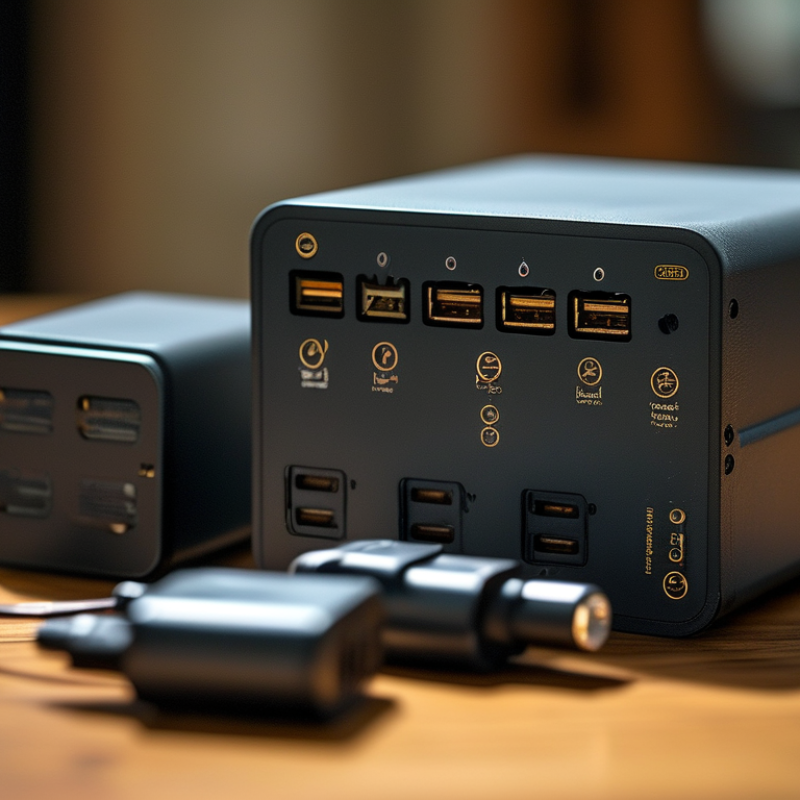
Understanding the Importance of Quality Power Adapters and Chargers
When it comes to electronics, power adapters and chargers play a crucial role. Poor quality chargers can lead to device damage, performance issues, or even safety hazards. A study by the Consumer Electronics Association reported that faulty chargers account for over 30% of electronic device failures. Understanding the importance of high-quality power adapters is essential not only for device longevity but also for user safety.
High-quality adapters are designed with protective features, reducing the risk of overheating and short-circuits. Look for certifications such as UL (Underwriters Laboratories) or CE (Conformité Européenne). These ensure reliability and safety standards. Testing your charger’s output with a multimeter can also prevent future issues. If the voltage is inconsistent, it may signify potential failure.
When purchasing, consider these quick tips: Always opt for adapters with built-in surge protection. Check the wattage requirements of your devices to avoid under-powering them. Remember, a reputable power adapter might cost more upfront but saves money in the long run through durability and safety assurance. Investing in quality helps maintain your devices and protect your home. Don’t overlook the chargers; they are more than just accessories.
Quality Assessment of Power Adapters and Chargers
Key Features to Look for in High-Quality Power Adapters
When choosing a power adapter, specific features can reveal its quality. Look for built-in safety mechanisms. These often include over-voltage protection, short-circuit protection, and temperature control. A high-quality adapter will automatically shut off if it gets too hot. This feature not only prolongs the adapter's life but also protects your devices.
Check the materials used in the adapter. Quality construction can be the difference between a reliable device and a flimsy one. Metal housing usually indicates better durability compared to plastic. Additionally, the cable length and gauge matter. A thicker cable typically reduces energy loss during charging and prevents overheating.
Read user reviews and product specifications carefully. Many products may appear identical but can differ greatly in performance. Reflect on your needs: portability vs. power delivery. Some individuals prioritize weight, while others need a faster charging speed. This balance is vital for a satisfactory experience.
How to Identify High Quality Power Adapters and Chargers? - Key Features to Look for in High-Quality Power Adapters
| Feature |
Description |
Importance |
| Voltage Compatibility |
Ensures the adapter outputs the correct voltage for your device. |
Prevents damage to the device. |
| Current Rating |
Measured in Amperes (A), it indicates how much current the adapter can supply. |
Ensures efficient charging. |
| Certification |
Look for certifications like CE, FCC, and RoHS for safety standards. |
Validates quality and safety of the product. |
| Material Quality |
High-quality materials ensure durability and heat resistance. |
Extends the lifespan of the adapter. |
| Overcurrent Protection |
Protection mechanism to prevent excessive current flow. |
Protects both the charger and the device. |
| Warranty |
A warranty reflects the manufacturer's confidence and product reliability. |
Provides peace of mind for the consumer. |
Evaluating Brand Reputation and User Reviews
When searching for a quality power adapter or charger, evaluating brand reputation is crucial.
Start by researching brands that are well-known for their reliability and safety standards. A brand's history can reveal much about its product quality. Pay attention to companies with a track record of innovation in power technology.
User reviews play an essential role in this process. They provide real-world insights into how a charger performs. Look for feedback on aspects like durability, charging speed, and safety features. High ratings from verified buyers often indicate a product worth considering.
However, be cautious of overly positive reviews that may seem biased. Genuinely mixed reviews can help identify the strengths and weaknesses of a product. Aim for balanced perspectives to make an informed choice.
In addition, consider the community discussions surrounding specific brands or products. Online forums can provide additional layers of opinions from tech enthusiasts and everyday users. These insights may point out flaws or exceptional features that formal reviews overlook.
As you dive deeper, remember that even the most praised brands may have recalls or issues. Being aware of this can help you stay informed and make safer choices.
Identifying Safety Certifications and Standards
When selecting power adapters and chargers, safety certifications are crucial. Look for labels from recognized organizations like UL, CE, or FCC. These symbols guarantee that the product has met rigorous safety standards. If you notice a charger without any certifications, it’s a red flag. Non-certified products can pose risks, such as overheating or short-circuiting.
Tips: Always inspect the packaging for official certification marks. Research the standard each certification represents. Understanding these can help demystify safety claims.
Another key aspect is the material quality. Inspect the casing and connectors. High-quality adapters often have reinforced cables and durable housings. Cheap materials may break easily or fail under stress. Pay attention to any signs of wear or damage before using an adapter. Even a small crack can compromise safety.
Tips: When in doubt, opt for products that feel sturdy. If the design seems flimsy, consider it a warning sign. Trusting your instincts can sometimes save you from potential dangers.
Recognizing Signs of Low-Quality Chargers and Adapters
Identifying low-quality chargers is crucial for device safety. A report from the Consumer Electronics Association states that over 40% of generic chargers fail to meet safety standards. These subpar products can cause overheating, leading to potential fire hazards. Checking for certification marks is essential. If a charger lacks these marks, it’s a clear warning sign.
Another indicator of low-quality chargers is poor build quality. Many low-end chargers use flimsy materials. They may feel lightweight and unstable. A solid charger should feel durable in your hand. If it rattles or feels cheaper than expected, reconsider its use. Additionally, examine the output specifications. Chargers that promise quick charging but fail to deliver can damage your device's battery over time.
Finally, beware of excessively low prices. A charger priced significantly lower than similar products may harbor quality issues. According to a study by the International Electrotechnical Commission, choosing the cheapest option often results in higher long-term costs. The right charger not only protects your devices but also ensures longevity. Always prioritize quality over cost.
FAQS
: Quality power adapters prevent device damage and safety hazards. They ensure longevity and performance of electronic devices.
Look for certifications like UL or CE. These labels indicate the adapter meets safety standards.
Choose adapters with surge protection. Ensure they meet your device’s wattage needs to avoid under-powering.
Research well-known brands and their reliability. Check their history for insights into product quality.
Reviews provide real-world performance insights. Look for balanced feedback on durability, speed, and safety features.
Non-certified chargers may cause overheating or short-circuits. Avoid them for your safety and device protection.
Use a multimeter to test the voltage. Inconsistent output may indicate potential charger failure.
Inspect the charger; small cracks can compromise safety. Replace any damaged adapters immediately.
Higher costs often reflect durability and safety. Investing in quality can save money in the long run.
They may be biased. Mixed reviews provide a clearer picture of a product’s strengths and weaknesses.
Conclusion
When exploring how to identify high-quality power adapters and chargers, it's essential to understand the importance of using reliable products to ensure safety and longevity of your devices. Key features to consider include compatibility with device specifications, efficient power output, and the presence of protective mechanisms against overcharging and overheating. Evaluating brand reputation and user reviews can provide valuable insights into the performance and reliability of various products.
Additionally, it's crucial to identify safety certifications and standards that signify adherence to quality and safety regulations. Being able to recognize signs of low-quality chargers and adapters, such as flimsy construction or lack of essential safety features, can help consumers make informed choices. By focusing on these aspects, users can ensure they invest in power adapters and chargers that not only meet their needs but also prioritize safety and efficiency.

 Laisen Electronic